In the world of boat building and composite design, core materials are essential to increase the stiffness and reduce the weight of a composite structure. In this article, we will discuss the various Gurit foam cores and their applications in boatbuilding, wind energy and other industries. Gurit offers a wide range of core materials to suit any specification and manufacturing process. Core structures are offered in sheet form and with a variety of cut patterns or finishes to suit customer needs or processing choices.
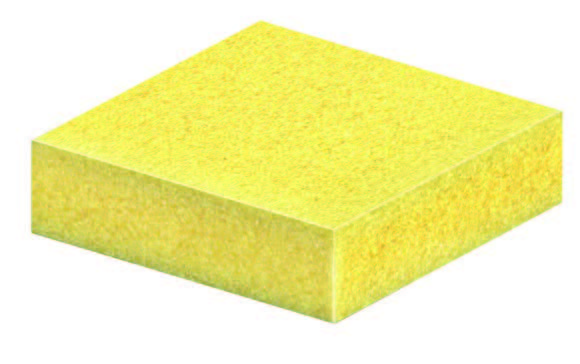
Gurit® Corecell™ is a SAN (styrene acrylonitrile) polymer-based structural foam core material with high toughness and impact resistance. Gurit® Corecell™ has gained acceptance for the construction of large, high performance structures through a wide range of processing methods.
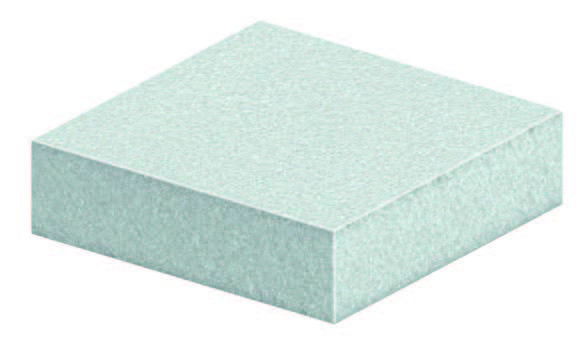
Gurit® PVC is a closed-cell, cross-linked PVC (polyvinyl chloride) foam with excellent chemical resistance, low water absorption and excellent thermal insulation.
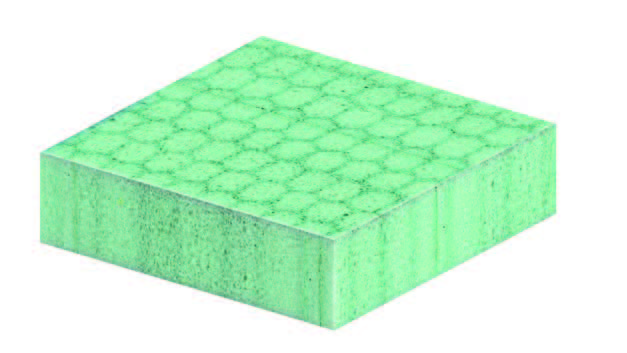
Gurit® Kerdyn™ Green is a structural foam made from up to 100% recycled PET. It is the perfect solution for applications that require a balance between mechanical performance, resin absorption capacity and sustainability.
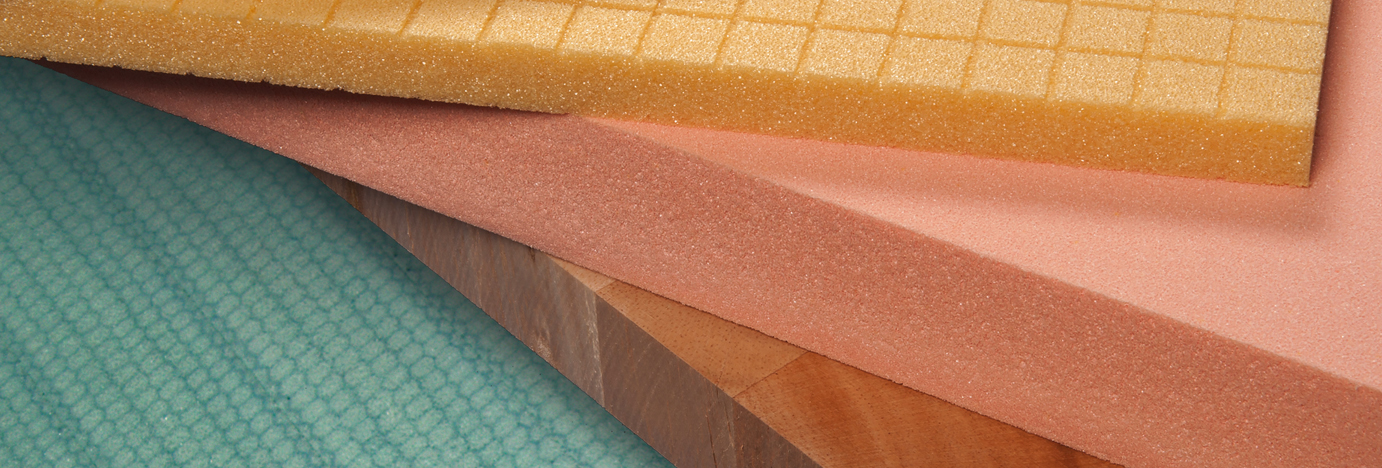
CTM also offers a wide range of fabrication options for core composites tailored to customers’ specific requirements. CTM can supply sandwich materials in the form of sheets or blanks and can also produce them in various thicknesses, densities and cutting patterns to meet customers’ requirements.
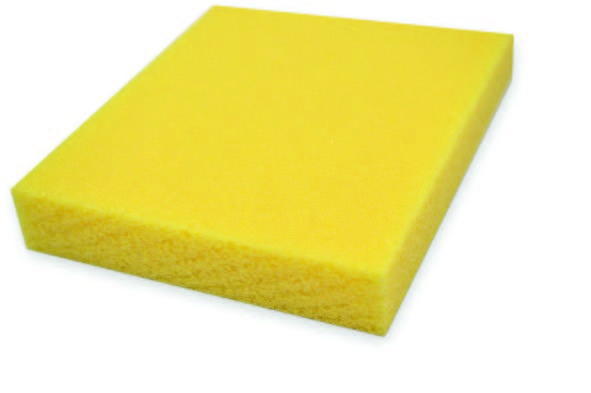
Smooth plate – Optimal material properties. Limited bending in the mold.
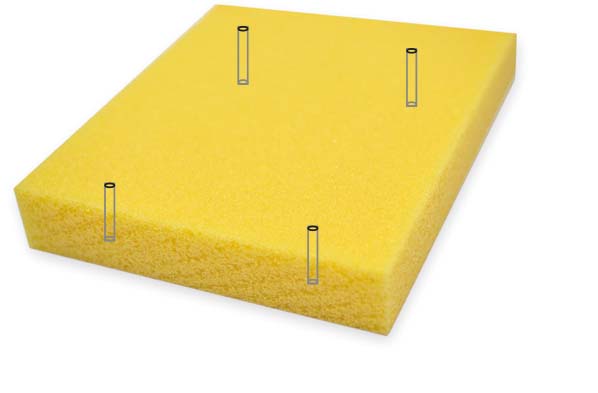
Perforated plate for better evacuation of air in vacuum applications.
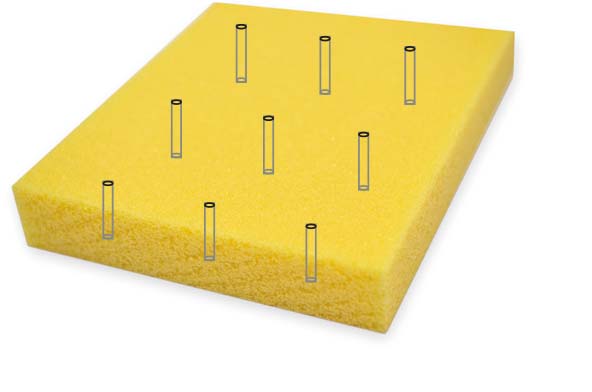
Perforated plate for better evacuation of air in vacuum applications.
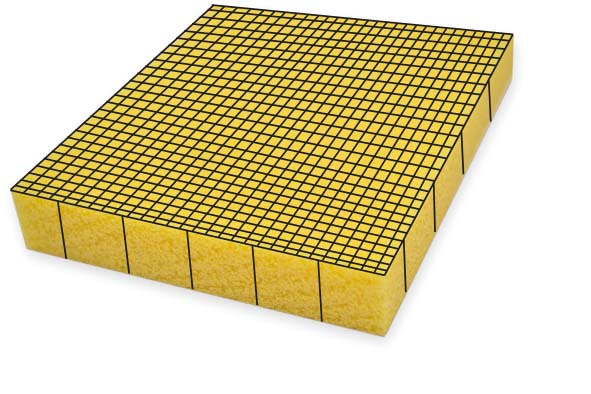
Provides optimum flexibility in two directions. The plates are diced by knife cut and glued to a glass support.
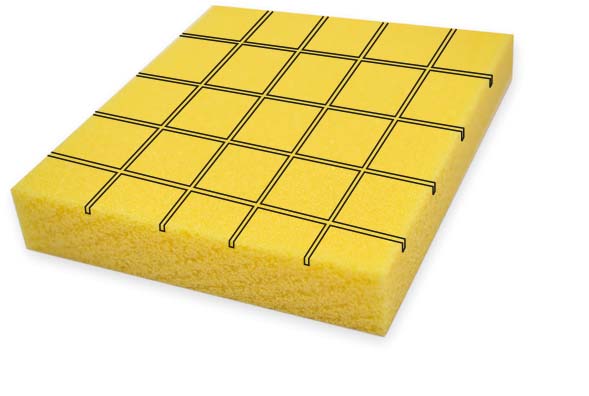
Vacuum infusion grooving – Grooves specially milled for the vacuum infusion process to allow the resin to flow well.
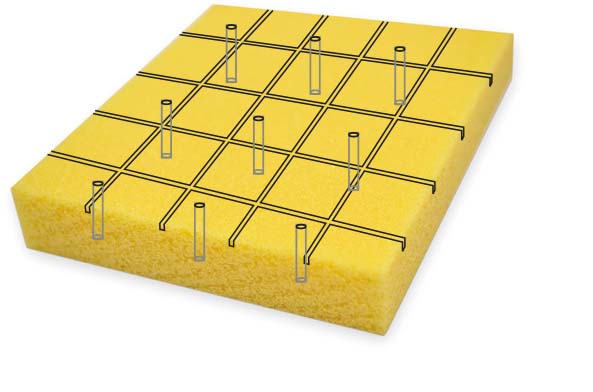
Combines vacuum infusion grooving with bleeder holes as well as their properties
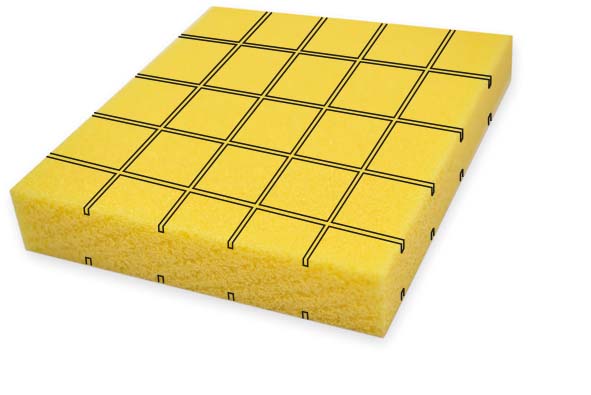
Vacuum infusion grooving (both sides) – Grooves specially milled for the vacuum infusion process to allow the resin to flow well.
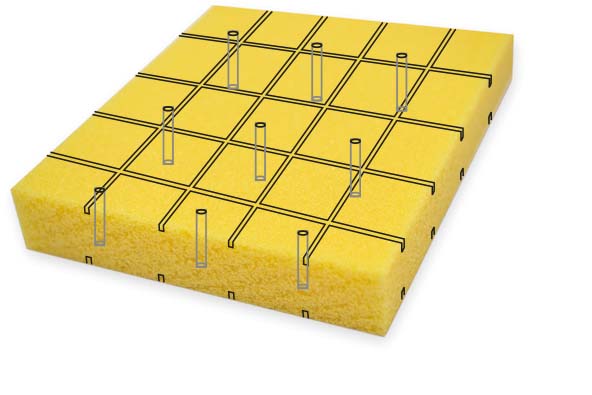
Combines vacuum infusion grooving (both sides) – with bleeder holes as well as their properties.
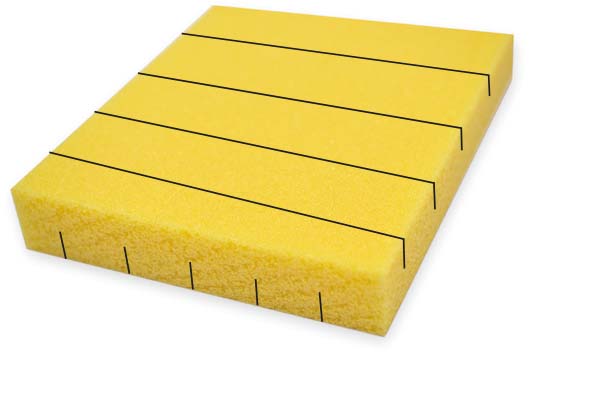
Increases the flexibility in one direction on one or both sides of the plate.
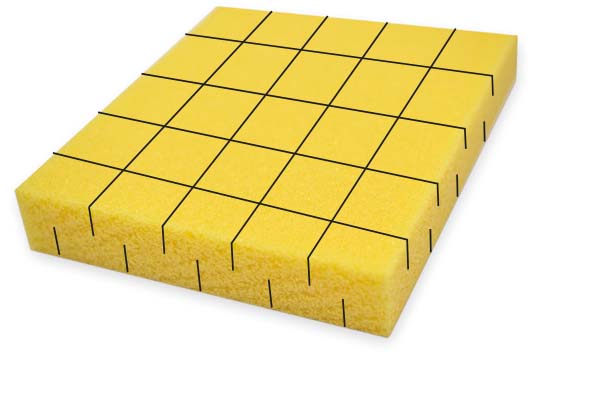
Increases bi-directional pliability on one or both sides of the plate. When both sides are cut, the cuts overlap, providing the DC with an efficient flow medium for infusions.
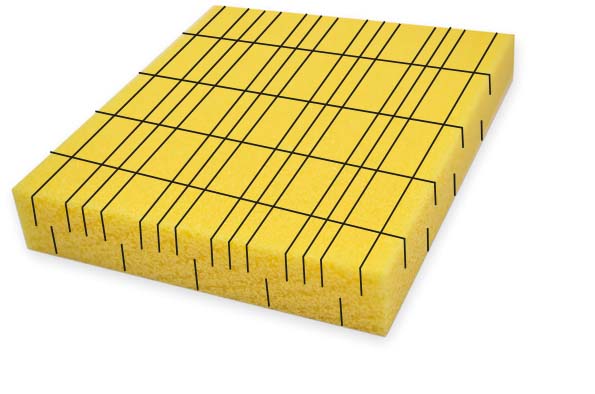
Offers the same advantages as the DC, but in one direction even higher flexibility with slightly higher resin absorption.
One way to take full advantage of core materials is to use sandwich construction. A sandwich construction consists of a lightweight core material between two dense face sheets. This provides increased stiffness and strength without increasing the weight of the structure. The face sheets are made of fiber-reinforced plastic or metal.
The use of lightweight panels in sandwich structures offers numerous advantages, including increased stiffness and strength, improved vibration damping, better heat and sound insulation, higher resistance to fatigue, and lower weight. The use of core materials also allows larger structures to be manufactured, as weight is reduced without compromising stiffness.
Another advantage of using Gurit foams is that they meet the requirements of the marine industry. Many of these foams are approved by classification societies such as Germanischer Lloyd (GL) and Det Norske Veritas (DNV), which means they meet international standards for shipbuilding. These approvals ensure that Gurit foams can be used in shipbuilding applications where high demands are made on strength, stiffness and stability.
If you are a boat builder or operations manager and need lightweight but strong construction, consider core materials. Gurit offers a wide range of core materials to meet any requirement, including Corecell™, Gurit® Kerdyn™ Green and Gurit® PVC. With their advanced properties, these core materials can help improve the efficiency and longevity of your boats and other structures.
Visit our online store and select the core material that best fits your needs. Experience the benefits of core materials in your next boat building or structural project.
Core materials are lightweight, porous materials used as cores in composites such as fiber composites or metal composites. They serve to reduce the weight of the workpiece while increasing its stiffness and strength.
There are different types of core materials, including foams such as PVC, SAN, PET, polystyrene or polyurethane, as well as honeycomb structures such as aluminum or cardboard honeycombs and foam cores made of aramid or carbon fibers.
Core materials are usually low density, lightweight and have high stiffness and strength. They also provide excellent thermal and sound insulation and are easy to machine.
Core materials are used in a wide range of industries, including aerospace, automotive, sports equipment and maritime lightweight construction. They are mainly used in sandwich constructions to reduce the weight of components and increase their stiffness and strength.
The use of core materials can significantly reduce component weight, resulting in improved fuel efficiency and performance. They also offer greater stiffness and strength and improved damping properties. In addition, they are easy to machine and can be used in various applications.
When selecting core materials, various factors must be considered, including the requirements of the specific application, such as weight, strength, damping properties, heat resistance, and resistance to moisture and chemicals. Selection of the right core material also depends on manufacturing technologies, cost and availability.